Glassing and ranging
Beginner Glassing Kit: Binocular, Rangefinder and Harness
Quick answer
A first glassing kit costs about $304 including a 10x42 binocular with a transferable lifetime warranty, a hunting rangefinder with angle compensation, a chest harness and a tripod adapter. The harness is what decides whether the binocular gets used or left in the pack.
Most people buy a binocular, hang it round their neck, and stop using it within a season because it swings, bangs into everything and is awkward to lift. The harness on this list costs a fraction of the glass and it is the reason the glass gets used.
The other decision worth making deliberately is angle compensation on the rangefinder. Ranging up or down a steep slope and dialling the slant distance makes you shoot high, and an uncompensated range is the wrong number for the shot.
Note the tripod adapter at the bottom of the list. It costs almost nothing and it doubles what a binocular can find, because a supported binocular resolves detail a handheld one never will.
The complete setup: $304
$304Nothing else. This kit is complete on its own and works from the first morning. A tripod is the natural next purchase rather than a requirement.
The binocular
Ten power at 42 mm is the default for a reason. An 8x42 is brighter and steadier if you glass at dusk more than at distance.
| Item | Qty | Each | Line |
|---|---|---|---|
 Vortex Crossfire HD 10x42 Binoculars Real glass with a transferable lifetime warranty at the bottom of the sensible price range Vortex Crossfire HD 10x42 Binoculars Real glass with a transferable lifetime warranty at the bottom of the sensible price range | 1 | $149.00 | $149.00 |
| The binocular subtotal | $149.00 | ||
Knowing the distance
Angle compensation matters more than maximum range for almost all hunting, and the cheap units frequently omit it.
| Item | Qty | Each | Line |
|---|---|---|---|
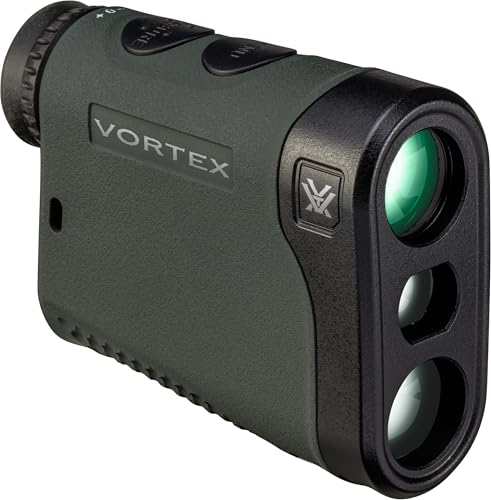 Vortex Triumph HD 850 Laser Rangefinder Hunting rangefinder rather than a golf unit, which is the trap in this price band Vortex Triumph HD 850 Laser Rangefinder Hunting rangefinder rather than a golf unit, which is the trap in this price band | 1 | $99.00 | $99.00 |
| Knowing the distance subtotal | $99.00 | ||
Carrying it so it gets used
The cheapest item on this list and the one with the largest effect on whether you actually glass.
| Item | Qty | Each | Line |
|---|---|---|---|
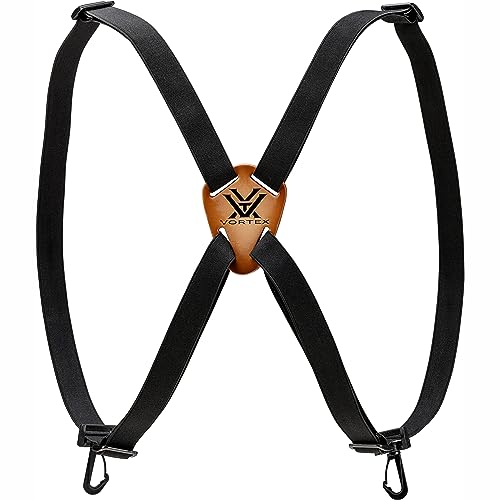 Vortex Binocular Harness Strap Takes the weight off your neck for very little money and almost no bulk Vortex Binocular Harness Strap Takes the weight off your neck for very little money and almost no bulk | 1 | $24.00 | $24.00 |
| Carrying it so it gets used subtotal | $24.00 | ||
Support, for a few dollars
A binocular braced on anything resolves detail a handheld one does not. This adapter fits the threaded socket under the hinge.
| Item | Qty | Each | Line |
|---|---|---|---|
 Celestron Binocular Tripod Adapter with 1/4-20 Thread A plain quarter inch adapter, the cheapest way to double what the binocular can find Celestron Binocular Tripod Adapter with 1/4-20 Thread A plain quarter inch adapter, the cheapest way to double what the binocular can find | 1 | $14.98 | $14.98 |
| Support, for a few dollars subtotal | $14.98 | ||
Care
Salt, dust and fingerprints on a coated objective are permanent if they are wiped rather than blown and brushed off.


Total for this setup
Optics and carry hardware only, at the listed prices when this page was compiled. It does not include a tripod, shipping or sales tax.
Why 8x42 is frequently the better buy than 10x42
The two configurations cost the same and most people buy the 10x without thinking about it. Here is the trade, in numbers.
An 8x42 gives a 5.25 mm exit pupil against 4.2 mm for a 10x42, which is why the 8x looks brighter at dusk despite having identical glass.
Sourced figure
| 8x42 | 10x42 | |
|---|---|---|
| Exit pupil | 5.25 mm | 4.2 mm |
| Twilight factor | 18.3 | 20.5 |
| Relative brightness | 27.6 | 17.6 |
| Steadiness handheld | Noticeably better | Shake becomes visible |
| Detail at distance | Less | More, if you can hold it still |
The honest summary: buy 8x if you glass mostly at dawn and dusk and hold the binocular in your hands. Buy 10x if you glass open country in good light or will use a tripod.
Why the rangefinder must be a hunting unit
Searching for a rangefinder returns mostly golf units, and they are excellent at what they do. What they do is read a reflective flag at a known short distance on a mown surface.
A hunting unit is built for the opposite problem: a soft, non-reflective target at an unknown distance against a cluttered background, frequently in poor light. It also gives you angle compensation, which a golf unit either omits or implements as a slope mode designed for a different geometry.
The difference shows up exactly when it matters, which is a deer at 340 yards in timber rather than a flag at 150 on a fairway.
What you can skip
Two purchases that look sensible at this stage and are not.
- A spotting scope. Almost nobody who has not yet worn out a binocular needs one. A spotting scope is for judging an animal you have already found, and finding is the binocular job.
- Twelve or fifteen power binoculars. Past about 10x you cannot hold them steady, so the extra magnification shows you a blurrier version of the same thing. Buy 12x or 15x only alongside a tripod, never instead of one.
What to upgrade first
A real tripod, before better binoculars. The single largest improvement available to a glassing kit at this level is putting the binocular you already own on something steady. It costs less than upgrading the glass and it reveals more detail than one full tier of optical improvement.
After that, a harness with a rangefinder pocket, so the second most-used instrument stops ending up buried in a pack at the moment you need it.
Frequently asked questions
What magnification binocular should I buy for hunting?
Eight or ten power at 42 mm covers almost everything. Eight power is brighter at dusk with a 5.25 mm exit pupil and is noticeably steadier handheld. Ten power resolves more detail at distance if you can hold it still or brace it. Past 10x you need a tripod for the magnification to do anything useful.
Do I need a rangefinder if I have a BDC reticle?
Yes, and more than you would think. A BDC reticle converts a known distance into a holdover, which is useful. It does nothing to tell you the distance, and range estimation by eye is the single largest error most shooters make in the field. The reticle and the rangefinder solve different halves of the same problem.
Why does my binocular give me a headache?
Usually the interpupillary distance or the diopter. Set the hinge so the two circles merge into one with no dark crescents, then cover the right objective and focus with the centre wheel, then cover the left and adjust only the right eyepiece diopter. Most people never do the second step and their eyes fight the difference all day.
Is a chest harness worth it?
It is the highest value item on this list per dollar. A binocular on a neck strap swings into everything, bangs against your chest on a stalk and eventually gets left in the pack, at which point the money spent on the glass is wasted. A harness costs very little and it is what makes the binocular a tool you use.
Can I use binoculars on a tripod?
Almost every full size binocular has a threaded socket hidden under a cap on the front of the hinge. A quarter inch adapter screws into it for a few dollars. The improvement in resolvable detail is larger than one full step up in glass quality, which makes it the cheapest upgrade in the whole category.
How do I clean binocular lenses safely?
Blow the grit off first, brush what is left, and only then wipe. Coated glass is softer than the coating is thin, and dragging a cloth across grit is how a coating gets permanently scratched. Never use a shirt tail or a bulk eyeglass cloth that has been sitting in a bag collecting dust.
Researched, not professional advice. This page is compiled from published manufacturer specifications, published optical and ballistic formulas, and owner-review consensus, not hands-on testing. Figures described as a rule of thumb are shooter convention rather than sourced numbers, and they are labelled that way wherever they appear. Ballistic figures come from a point mass model using the ballistic coefficient the maker publishes, so treat them as a starting point and confirm them on paper at a measured distance. Confirm your firearm is unloaded with the action open before you mount, level, torque or bore sight anything. Verify a zero only on a supervised range or a safe, legal backstop, know what lies beyond your target, and follow the law where you hunt and shoot, including rules on land access and permitted cartridges.